
Concrete Overlays
Concrete Overlays & Resurfacing
Overlays for patios and walkways, plus self-leveling.
Micro-Toppings
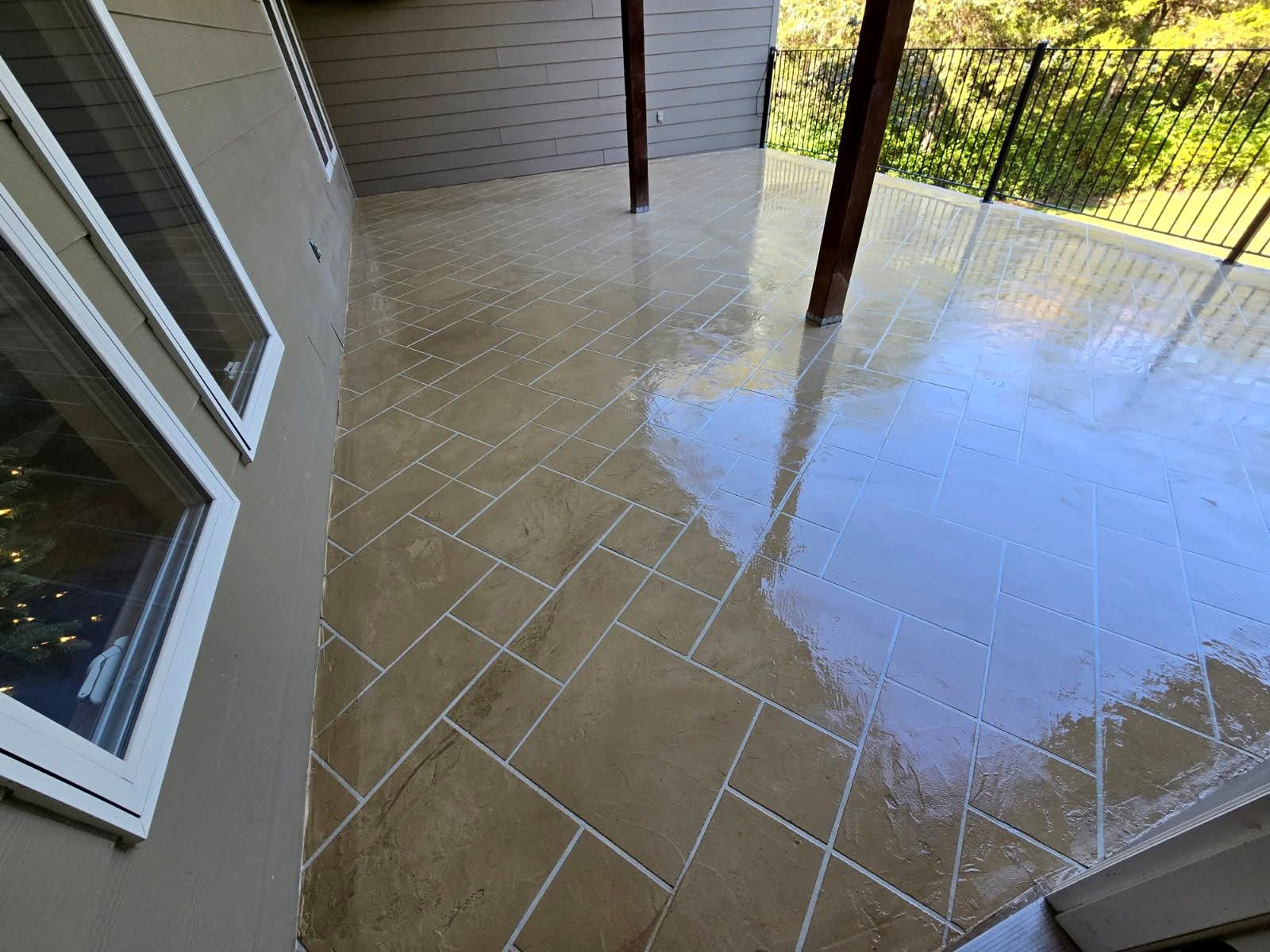
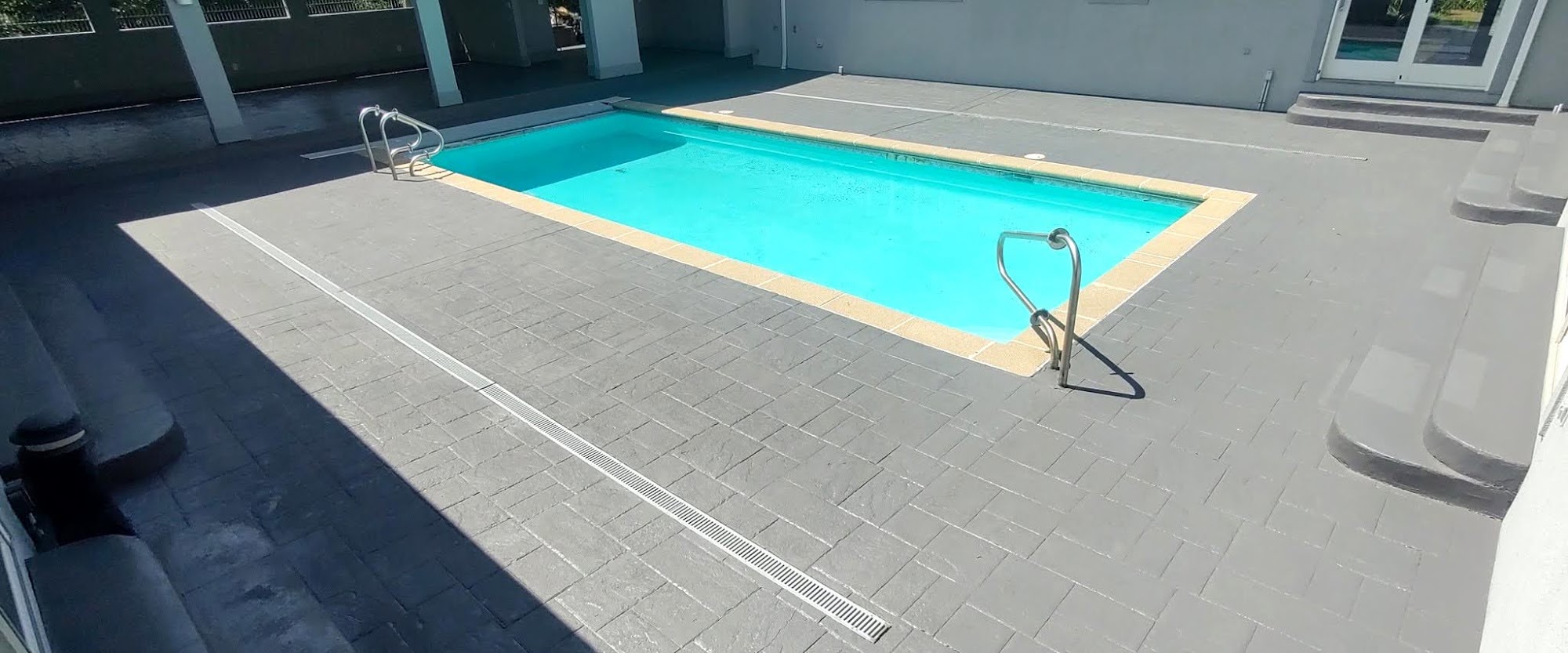
A concrete microtopping is a thin, durable overlay designed to transform and revitalize existing surfaces like concrete, tile, or wood with a sleek, seamless finish. Made from a specialized blend of cement, polymers, and other additives, it is applied in layers typically 1 to 3 millimeters thick, offering a customizable and contemporary aesthetic. Microtoppings are available in various colors, textures, and finishes—ranging from polished and glossy to matte or textured—creating a modern, minimalist look ideal for residential, commercial, and outdoor spaces.
This versatile material is resistant to wear, moisture, and UV rays, making it suitable for high-traffic areas and exterior applications like patios and pool decks. Its installation involves surface preparation, the application of a bonding agent, thin-layer spreading, optional texturing, and sealing for added protection and longevity.
Concrete microtoppings are a cost-effective, time-saving, and eco-friendly solution, eliminating the need for demolition and reducing waste by utilizing existing surfaces. They are easy to maintain and require periodic resealing to retain their durability and visual appeal, making them a practical choice for achieving high-end designs without the hassle of traditional construction methods.
Self-Leveling Concrete
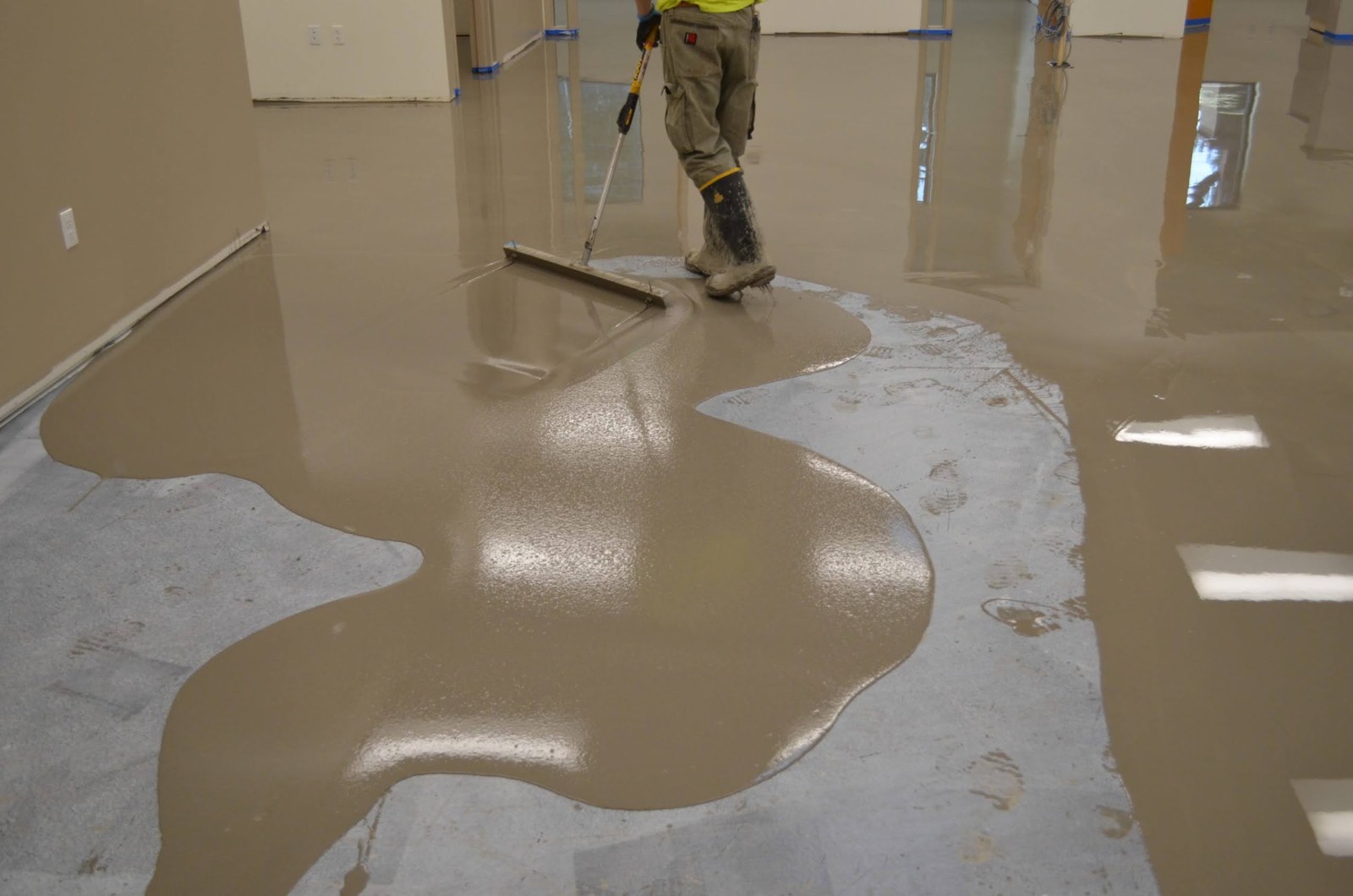
Self-Leveling concrete overlays are polymer modified materials that have the ability to self-level with minimal or no troweling. They can be applied in thin applications while maintaining a good bond with the substrate because of the added polymers. These materials can easily correct uneven floors or repair damaged concrete. They can also provide a new suitable surface for decorative treatments or other types of traditional flooring such as tile, carpet, LVT and hardwoods.
Their fast curing properties make them an excellent choice for quick turn-around jobs. In many cases they can be sealed in as little as two hours. VCT or tile installations can proceed in as little as twelve hours.
Self–Leveling materials are often used to repair damaged or uneven floors. They can be used for decorative purposes with the use of integral colors. Aggregates can be added that are then exposed during polishing. They can be saw cut or engraved. They can take stains and dyes. They can even incorporate decorative inlays such as wood or metal. Installations range from ¼” up to 2” in a single application. They can go as thick as 5” with an aggregate additive.
There are two main types of self-leveling concrete overlay materials. The first are those used as underlayments, where another coating or floor material will be installed over the self-leveling material and will serve as the finish floor. These materials are cheaper, and often have a lower PSI strength than their counterparts, Polishable Self-Levelers.
Polishable Self-Levelers have a high PSI, which can be 2-3 times that of traditional concrete. They can be polished like traditional concrete, making that an option when the existing concrete substrate isn’t suitable..
They can be used in offices, warehouses, retail spaces, galleries, and utility rooms. These installs are perfect for places requiring a smooth, sturdy, flat surface and are extremely versatile with finishing options like sealing, micro-topping, epoxy coating, or polishing.